

In the world of personal finance, small changes often lead to big results over time. Many people believe that achieving financial success requires major life decisions or huge investments, but in reality, it’s the little, everyday actions that accumulate into substantial financial improvements.
These small money moves might seem insignificant at first, but over time, they can provide lasting value.
Whether you’re looking to save more, reduce expenses, or increase your investment returns, making strategic financial choices in your day-to-day life can significantly impact your long-term financial health. This article will explore several simple strategies that can help you take control of your finances without drastic efforts.
What is a financial strategy?
A financial strategy is a long-term plan for managing your money to reach specific goals and create sustainable growth. In essence, it’s about how you allocate your resources to achieve success while managing risks.
A strong financial strategy includes budgeting, investing, saving, and even planning for retirement. The goal is to ensure you’re not just managing your finances today but setting yourself up for future stability and success.
A well-structured financial strategy should align with your personal or business objectives, offering a clear roadmap for financial decisions. For example, you might prioritize debt reduction early on and focus on investment growth as you approach retirement.
Having a financial strategy gives you the clarity to make informed decisions about spending and saving, helping to avoid impulsive financial mistakes that could derail your long-term success.
The importance of a financial strategy
Without a clear financial strategy, it becomes much harder to stay on track and achieve your goals. Financial stability is often elusive if you don’t have a concrete plan to guide you.
A financial strategy provides a framework to assess your financial options, giving you the tools to make educated decisions. It also helps you adapt to changing circumstances, such as economic shifts or unexpected expenses, so that you can keep moving forward.
Moreover, a well-executed financial strategy ensures you make the best use of your resources, maximizing potential growth. This is crucial because without planning, you may overlook opportunities to reduce unnecessary spending or invest wisely.
A strategic approach also reduces the risk of financial instability by ensuring that you are prepared for unexpected events, like job loss or market downturns.
Small money moves that can have a big impact
When people think about improving their financial life, they often imagine big changes — landing a higher-paying job, investing in real estate, or starting a business. While these things can certainly have a big impact, they take time, effort, and in many cases, risk.
What often goes unnoticed, though, is the true power of small financial moves. These are simple, day-to-day choices that seem minor at first but, when practiced consistently, can make a huge difference over time.
A strong financial strategy doesn’t start with dramatic overhauls — it begins with awareness. Small habits and intentional decisions, when compounded over months and years, are what build financial stability and even wealth. Whether you’re saving for a goal, trying to manage debt, or simply wanting to feel more in control of your money, it’s these little things that quietly work in your favor.
Here are a few simple steps you can take that will gradually add up to significant savings and growth over time:
1. Making smarter everyday choices
Let’s explore some of these small financial actions that are easy to apply, but often overlooked. These aren’t radical lifestyle changes. Instead, they’re practical and approachable — things you can do today that will help your finances tomorrow.
Negotiate your bills and ask for discounts
Most people assume that the price they’re offered is fixed. It’s not. From phone plans to subscription services, many companies are willing to offer discounts or waive fees — especially if you’re a long-time customer or threaten to cancel.
A simple call can save you money every month. Be polite but direct. Ask if there are current promotions, loyalty discounts, or lower-tier plans.
Use cashback and rewards cards — but wisely
If you’re already spending money on essentials like groceries, gas, or utilities, why not earn something back? Cashback and rewards cards allow you to accumulate points, miles, or actual cash based on purchases you already make.
But there’s a catch: you need to pay off the full balance each month to avoid paying interest. Use these cards only for planned purchases and never to buy something you wouldn’t otherwise buy.
Eliminate unused subscriptions
Many people pay for services they barely use. Whether it’s that third streaming platform, a rarely visited gym, or an app you forgot about, these charges add up. Canceling them means more money for what actually matters — and it helps clear mental clutter too.
Automate your savings
Saving money shouldn’t be hard — and thanks to technology, it isn’t. Use apps or bank features to set up automatic transfers to savings accounts, ideally just after payday.
Even $10 a week adds up to over $500 a year — without thinking about it. Try creating different savings “buckets” for specific goals (e.g. emergency fund, travel, holidays) to stay motivated.
Use roundup apps to grow your savings passively
Some apps automatically round up your purchases to the nearest dollar and save or invest the spare change. It may sound insignificant, but this passive method turns everyday spending into a micro-saving system that grows over time — especially with compound interest.
Bring your own lunch — it adds up
Buying lunch out might feel like a small treat, but doing it every weekday could easily cost over $200 per month. Preparing meals at home is not only cheaper, but often healthier and more satisfying too. Annual savings from packing lunch: over $1,000!
2. Spend better, not just less
Saving money doesn’t always mean cutting corners. Sometimes, spending a little more on the right things can bring better value and longer-lasting results. It’s about being intentional with your purchases — not just frugal.
Invest in quality to avoid repeat purchases
From shoes to electronics to home appliances, choosing quality over quantity often leads to fewer replacements, fewer repairs, and better overall value. The initial cost may be higher, but the long-term savings are worth it.
Buy in bulk — but smartly
Bulk buying can reduce cost per unit and minimize store visits (and impulse purchases). Just make sure you’re buying things you use often. Otherwise, you’ll waste money — and food.
3. Think long term — even with small steps
Big financial goals aren’t reached overnight. But even the smallest adjustments, made consistently, can have a powerful compounding effect over time. Thinking long term helps you stay focused and motivated, even when progress feels slow.
Gradually increase retirement contributions
If you’re already contributing to a retirement account, bump it up — even by 1%. You’ll barely notice the difference in your paycheck, but over time, compound interest will work in your favor. Especially when you apply raises or bonuses directly into savings.
Budgeting: your financial compass
Budgeting isn’t about restriction — it’s about awareness and intention. Creating a simple budget helps you track where your money is going and make decisions aligned with your goals. You don’t need to track every penny, but you should know your major spending categories and limits.
Use tools like spreadsheets, budget apps, or even a handwritten notebook — whatever works best for you.
4. Keep what you have working longer
Taking care of what you already own is one of the simplest ways to save money. Regular maintenance and mindful use can extend the life of your belongings — from your car to your appliances — helping you avoid big repair or replacement costs.
Regular maintenance prevents big costs
Simple habits like changing filters, servicing your car, or checking for home leaks can prevent expensive repairs down the line. A little effort now can save you hundreds — or even thousands — in the future.
Use cashback and discount sites
Before buying online, check if there are cashback options or discount codes. Many popular platforms offer rebates for purchases you’re already planning to make — it just takes an extra few seconds to activate them.
You don’t need a radical plan to improve your finances. Often, it’s the consistent, quiet habits that make the biggest difference. Asking for a discount. Packing lunch. Automating savings. These choices build up over time and lead to real, lasting change.
Start small. Start today. Your future self will thank you.
Conclusion
Small financial moves have the potential to create a big impact on your financial well-being. By adopting simple strategies like canceling unused subscriptions, taking advantage of cashback offers, and automating savings, you can steadily increase your financial security without making drastic lifestyle changes.
The key is to start small and be consistent, allowing these actions to build momentum over time. With a thoughtful financial strategy in place and the discipline to follow through on these small steps, you’ll be well on your way to a stronger financial future.
Frequently Asked Questions (FAQ)
How can I start managing my money?
A great first step is creating a budget. List your monthly income and expenses to clearly see where your money goes. This helps prevent overspending and encourages better money habits.
What’s the best way to track spending without stress?
Use a method that suits you—write things down, create a spreadsheet, or try a budgeting app. Keeping track regularly helps you spot patterns and control small leaks in your spending.
Can I save money even with a small income?
Yes! Start by saving small amounts, like $10 to $20 per paycheck. Consistent saving builds an emergency fund over time and creates a habit of financial discipline.
How do I use credit and debit cards responsibly?
Use a low-limit credit card for small, essential purchases and pay the full balance each month to avoid interest. Debit cards are great for everyday spending and help you stick to your budget.
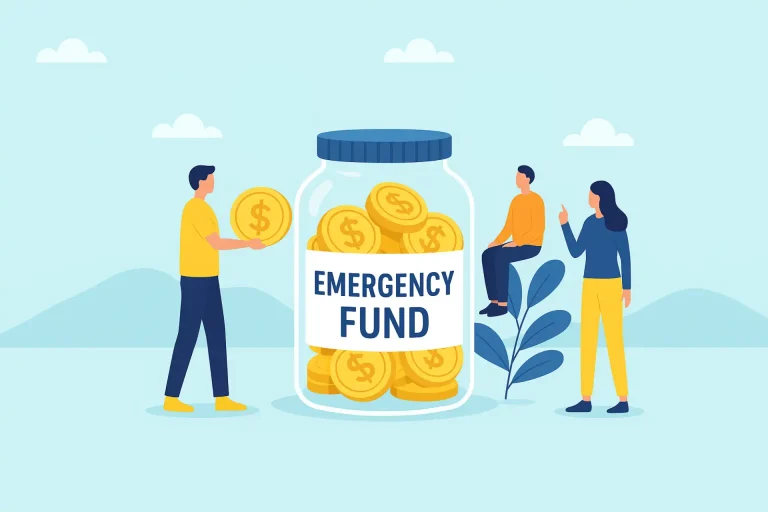
What’s an emergency fund and how much should I save?
An emergency fund is savings reserved for unexpected expenses. Start with $500–$1,000, and aim for 3–6 months’ worth of expenses as your safety cushion.
How can I budget for events or holidays?
Plan in advance by setting a budget, saving gradually, and looking for deals. This reduces last-minute spending and keeps you from going over budget.
What’s a simple way to build credit?
Open a beginner-friendly credit card and use it for small, regular purchases like gas or groceries. Always pay the full balance on time to build a strong credit history.
Why should I save early for the future?
Starting early gives your money more time to grow through interest or investment returns, making it easier to achieve long-term goals like travel or retirement.
How can I use discounts to save money?
Ask about student discounts or special deals before buying. Many stores offer savings on everything from software to entertainment, helping you keep more money in your pocket.
What’s the smartest way to handle surprise expenses?
Keep adding to your emergency fund so it’s ready when you need it. This helps you avoid going into debt when life throws the unexpected your way.