

Money is one of the most important tools we have to navigate life. It’s not just about luxury or wealth—earning enough money is essential to meet basic needs, reduce stress, and plan for the future. But many people go through daily life unaware that their income might not actually be sufficient.
They may feel overwhelmed, anxious, or always behind on bills, assuming it’s normal or simply a result of poor budgeting. However, there are clear signs you don’t make enough money, and recognizing them is the first step toward improving your financial well-being.
If you’ve ever felt like you’re constantly playing catch-up with your finances, this article will help you understand whether your income is truly enough—or if it’s time to make a change.
Recognizing the signs you don’t make enough money
Struggling financially doesn’t always mean you’re irresponsible—it often means your income is simply not meeting your basic needs. Here are the most common and telling signs:
1. Late or missed bill payments
One of the first and most obvious signs is consistently struggling to pay essential bills on time—things like rent, utilities, credit cards, insurance, or medical expenses.
If you find yourself choosing which bill to pay first or frequently asking for extensions, it’s not just a timing issue—it’s likely an income problem.
Relying on grace periods, late fee waivers, or partial payments isn’t sustainable and can lead to long-term damage to your credit score and overall financial health.
2. Dependence on credit to get by
Using credit cards to cover everyday expenses like groceries, transportation, or utility bills might seem like a temporary solution, but it quickly becomes a dangerous cycle.
If you’re unable to pay off your full balance each month and carry debt forward, you’re paying interest on things that should have been covered by your income. Over time, this not only increases your expenses but also signals that your earnings can’t support your regular lifestyle.
3. No money set aside for emergencies
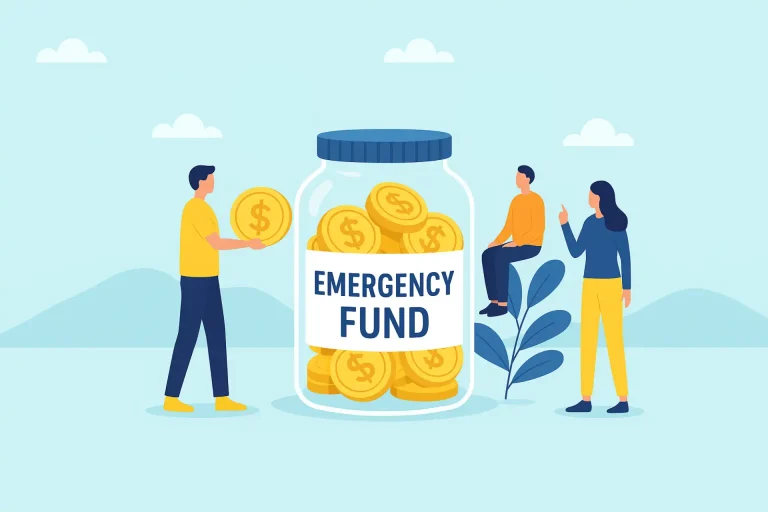
An emergency fund is one of the foundations of financial security. Experts recommend saving enough to cover 3 to 6 months of essential expenses, but many people struggle to save even a few hundred dollars.
If an unexpected car repair, medical bill, or job loss would leave you financially stranded, it shows that your income doesn’t leave enough room for saving—an alarming sign of financial vulnerability.
4. Living paycheck to paycheck
If your money disappears as soon as you receive it, and you constantly find yourself waiting for the next payday just to make it through the week, you’re likely living paycheck to paycheck.
This cycle is mentally and emotionally draining and leaves no room for savings, emergencies, or long-term financial planning. It’s a clear signal that your income only covers the bare minimum—if that.
5. Debt continues to pile up
If your debt—especially high-interest debt like credit cards—is increasing and you’re unable to make a dent in it, your earnings likely aren’t enough to cover both your expenses and debt repayment.
6. No savings for long-term goals
Financial health isn’t just about surviving today—it’s also about planning for tomorrow. If you’re unable to save for future goals like retirement, education, travel, or buying a home, your current income may be too low.
Not being able to put away even small amounts regularly prevents you from building wealth and achieving long-term stability.
7. Constant financial stress
Money is a major source of stress for many people. If you’re constantly anxious about how to make ends meet, lose sleep over unpaid bills, or feel overwhelmed by financial decisions, it’s a sign that your income may not be sufficient to support a stable life.
Chronic financial stress can affect your health, relationships, and overall quality of life.
8. Budget already cut to the bone
If you’ve already cut out non-essentials—like dining out, streaming services, or personal spending—and still can’t make your budget work, the issue likely isn’t your spending. It’s your income.
A budget that only covers survival, without any flexibility, signals that you may need to focus on increasing your earnings instead of just trimming costs.
9. Multiple jobs, but no financial relief
Many people take on side hustles or second jobs to boost their income. But if you’re still struggling to stay afloat despite working long hours or multiple jobs, it means the combined income still isn’t enough.
This can lead to burnout and poor health, and in the long run, it’s not a sustainable way to achieve financial security.
10. Avoiding social life due to costs
If you regularly say no to social events, outings, or celebrations because you simply can’t afford them, it’s another signal that your income isn’t enough to support a balanced life.
While it’s okay to be frugal, not being able to enjoy life occasionally or connect with friends and family due to financial reasons reflects a lack of disposable income.
Each of these signs, especially when experienced together, strongly suggests that your current income isn’t meeting your financial needs. While budgeting and cutting costs are helpful strategies, sometimes the core issue is that you simply need to earn more—through a new job, a career change, or building new income streams.
Being honest with yourself about where you stand is the first and most important step toward a healthier financial future.
Tips to reverse the situation
If you feel like your income isn’t enough to support your needs, you’re not alone. Many people work hard every day but still struggle to stay financially afloat. It’s important to recognize that sometimes, the problem isn’t poor spending habits—it’s simply that you’re not making enough money.
Fortunately, there are practical ways to change that. With the right mix of action and strategy, you can improve your financial health by earning more and managing your resources better. Let’s explore effective steps you can take to regain control of your finances and start moving toward a more stable future.
Ways to increase your income
When your income doesn’t stretch far enough, finding additional sources of money—or increasing what you already earn—is key. Here are some smart, realistic ways to do that:
Talk to your employer about a raise
If you’ve been delivering results and adding value at work, it might be time to have a conversation with your manager.
Research the average salary for your role in your area so you can present a solid case. A pay raise is often one of the fastest ways to increase your income without changing jobs.
Start a side hustle
Think about your skills, interests, or hobbies—can any of them be turned into a source of income? Many people generate extra money through freelancing, tutoring, handmade crafts, online stores, or offering services like pet sitting or graphic design.
Look into passive income options
While these often take time to build, passive income can become a powerful support over time. This could involve renting out property, selling digital products, earning dividends from stocks, or doing affiliate marketing through social media or blogs.
Improve your qualifications or learn new skills
Upskilling or going back to school (even through online courses) can open up higher-paying opportunities. Investing in yourself often leads to better job prospects and more bargaining power in the long run.
Apply for a new job or take on additional work
If your current position isn’t meeting your financial needs, consider switching to another company with better compensation or adding part-time work that fits your schedule.
Rent out what you’re not using
Have an extra room, parking space, or unused tools? Renting them out can provide a steady stream of supplemental income with minimal effort.
Smarter ways to manage your money
Increasing your income is important, but knowing how to handle your money is equally essential. Here are some strategies to help you get the most out of every dollar:
Build a realistic budget
Tracking your spending helps you understand exactly where your money goes each month. Identify essential vs. non-essential expenses and make adjustments where needed to prioritize saving and investing.
Automate your savings
Setting up automatic transfers to a savings account—even small amounts—can help you build an emergency fund over time without relying on willpower alone. It’s a simple trick that makes saving consistent and effortless.
Negotiate whenever possible
Whether you’re discussing salary, freelance rates, or even service contracts, sharpening your negotiation skills can lead to better financial outcomes. Learning how to confidently ask for fair compensation is a game-changer.
Conclusion
Acknowledging that you don’t make enough money can be difficult, but it’s a powerful first step. Once you recognize the signs, you can begin exploring solutions—whether that means asking for a raise, learning new skills to increase your earning potential, switching careers, or improving how you manage your finances.
Budgeting alone can’t solve an income problem. In many cases, financial challenges stem from not earning enough in the first place, not just overspending.
It’s also important to talk about these issues openly. Financial struggles are more common than you think, and seeking help—whether through a financial advisor, community programs, or educational resources—can help you move from surviving to thriving.
Frequently Asked Questions (FAQ)
How can I determine if my salary is fair for my job and location?
To evaluate if your compensation is competitive, use tools like Glassdoor, Payscale, and LinkedIn Salary to compare your earnings with industry standards. Factor in your job title, experience level, and geographical area. Talking with colleagues or reviewing industry salary reports can also offer valuable insights.
What are some practical steps to increase my income?
There are several effective ways to boost your earnings:
- Ask for a raise: Gather proof of your achievements and market data to support your request.
- Upgrade your skills: Take courses or earn certifications that align with higher-paying roles.
- Explore side gigs: Consider freelancing, consulting, or part-time opportunities to diversify your income.
- Change jobs: A new employer may offer better pay and benefits.
- Start a business: Turning a passion or expertise into a business can create long-term income potential.
How can I manage my finances better if my income is limited?
Managing money on a tight budget requires intentional planning:
- Create a budget: Monitor spending and cut unnecessary costs.
- Prioritize debt: Focus on paying off high-interest debts to free up future income.
- Build an emergency fund: A safety net can prevent financial setbacks.
- Avoid lifestyle inflation: Keep spending in check, even if your income increases.
- Seek expert advice: A financial advisor can help tailor strategies to your situation.
Is it worth investing time and money into further education to increase my earnings?
Further education can be a smart investment if it aligns with your long-term goals. Evaluate the potential salary increase and job opportunities that additional qualifications could unlock. If the expected benefits exceed the costs and time commitment, it may be a valuable step forward.
How can I stay motivated if I feel stuck in a low-paying job?
Maintaining motivation begins with setting realistic and inspiring goals. Celebrate progress, however small, and focus on building skills that improve your marketability. Mentorship and positive role models can offer guidance and encouragement. Remember, many people gradually grow their income with perseverance and the right strategy.
What are some common mistakes people make when trying to increase their income?
Here are pitfalls to watch out for:
- Relying solely on one source of income.
- Avoiding salary negotiations.
- Overlooking skill development and market demand.
- Increasing spending as income grows.
- Failing to network or explore new opportunities.
How much of my income should I save each month?
A general rule is to save at least 20% of your net income. This aligns with the 50/30/20 budgeting rule—50% for needs, 30% for wants, and 20% for savings and debt repayment. Adjust the percentages as needed based on your personal financial goals and obligations.