

Personal finance refers to the strategic planning and management of an individual’s financial activities. This includes income generation, budgeting, saving, investing, and protecting assets. It plays a crucial role in achieving both short-term stability and long-term financial goals.
Whether you’re planning for retirement, saving for a major purchase, or simply trying to manage day-to-day expenses, understanding the fundamentals of personal financial management is key. This guide explores the essential elements of personal finance, offering practical insights to help you build a secure financial future.
What is personal finance?
At its core, personal finance is the art and science of handling your money. It involves making informed decisions about how to earn, spend, save, invest, and protect your financial resources. A well-structured financial plan or budget allows you to align your money with your life goals.
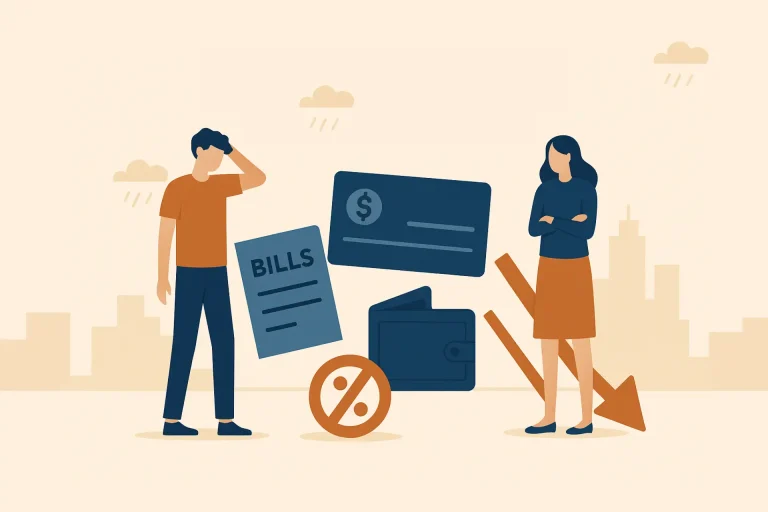
By understanding the principles of personal finance, you can avoid common pitfalls such as debt accumulation, poor spending habits, and lack of preparedness for emergencies.
What is personal finance management for
Managing your personal finances gives you the tools to take control of your money instead of letting it control you. It’s about making strategic decisions today that will benefit your financial future. Below are the main reasons why this practice is so important:
✔ Achieving financial security: One of the core goals of personal finance management is to help you avoid financial instability. By organizing your income, controlling your expenses, and planning ahead, you can prevent unnecessary debt and build a safety net for emergencies and unexpected costs.
✔ Reaching life goals: Whether it’s saving for a vacation, buying a car, paying for education, or preparing for retirement, having a solid financial plan allows you to prioritize and work toward your short-term and long-term objectives. You can set clear goals and track your progress step by step.
✔ Building financial discipline: Through personal finance practices such as budgeting and saving, you develop habits that improve your financial awareness. This discipline helps you make informed decisions, avoid impulse spending, and recognize the difference between essential and non-essential expenses.
✔ Growing your wealth: Effective financial management supports wealth-building through smart investment strategies and asset protection. It helps you make your money work for you, growing over time with minimal risk. This includes planning for insurance, estate management, and other tools that preserve what you earn.
✔ Reducing financial stress: A well-managed financial life leads to peace of mind. When you know exactly how much you earn, where your money goes, and how prepared you are for the future, anxiety around bills, emergencies, and lifestyle costs is significantly reduced.
Key components of personal finance
Understanding the major areas of personal finance is critical to maintaining control over your financial well-being. These components work together to form a comprehensive plan:
Budgeting and spending
Creating a budget is the foundation of sound financial planning. It helps ensure that your expenses do not exceed your income. Track your bills, categorize your expenses, and manage discretionary spending to avoid unnecessary debt.
Saving
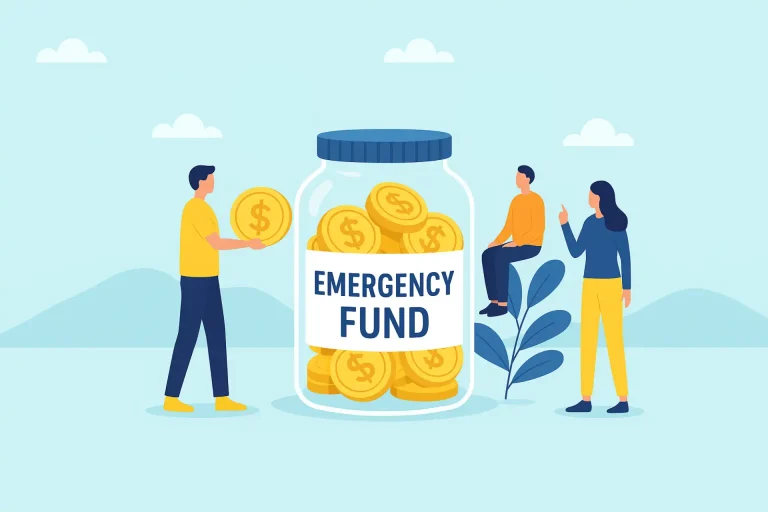
Building a savings habit is essential. Whether it’s for an emergency fund, future investments, or large purchases like a house or education, saving provides a financial cushion that can protect you from unexpected events.
Investing
Through investing, you can grow your wealth by allocating funds to assets such as stocks, bonds, or real estate. It involves taking calculated risks in exchange for potential long-term returns.
Protection
Financial protection includes using insurance (health, life, disability, property) to shield yourself from unforeseen financial losses. It’s a preventive step that ensures stability when the unexpected happens.
Tax planning
Effective tax management involves understanding deductions, credits, and strategic timing to minimize tax liabilities and keep more of your hard-earned income.
Financial goal setting
Setting financial goals—whether short-term (like paying off a credit card) or long-term (like planning for retirement)—gives you direction and motivation. It turns vague desires into actionable steps.
The personal finance planning process
A solid personal finance strategy isn’t something that happens overnight—it’s the result of a consistent and intentional process. Managing your money effectively means more than just creating a budget; it requires a structured approach to assess where you are financially, define where you want to go, and create a roadmap to get there.
The process of creating a comprehensive financial plan can be broken down into several key stages. These steps ensure you’re considering all aspects of your finances and building a sustainable path toward your goals:
Define your financial goals
Start by identifying what you want to achieve financially. These goals should be specific, measurable, and time-bound, such as paying off a loan in three years, saving for a home down payment, or building a retirement fund. Short-term and long-term goals provide direction and motivation for the rest of the process.
Collect your financial information
Before you can make informed decisions, you need to gather details about your current financial situation. This includes your income, monthly expenses, outstanding debts, savings, investments, and insurance policies. Having a complete picture allows for accurate planning.
Evaluate your financial status
Once you’ve gathered your information, assess where you stand. Calculate your net worth, analyze your cash flow, and review your spending habits. This step helps you identify potential risks, financial leaks, or opportunities for improvement.
Create a budget and safety net
Develop a realistic monthly budget that balances your income and expenses while allocating money for savings. At the same time, build an emergency fund—typically three to six months’ worth of essential expenses—to protect yourself from unexpected costs.
Develop an investment strategy
Depending on your goals and risk tolerance, design a long-term investment plan that might include stocks, bonds, mutual funds, or real estate. Consider both short-term returns and long-term growth, and diversify your portfolio to reduce risk.
Put the plan into action
Implement the changes and strategies outlined in your plan. This could involve cutting unnecessary expenses, automating savings, adjusting your insurance coverage, or beginning to invest. Execution is crucial—it turns ideas into measurable results.
Review and refine regularly
Life changes, and so do your financial needs. Schedule regular reviews of your financial plan—ideally quarterly or annually—to adjust for new circumstances such as job changes, family growth, market conditions, or unexpected expenses.
An alternative 6-step framework (EGADIM)
Another useful structure for planning your personal finances is known as EGADIM, an acronym summarizing six core actions:
- Establish goals
- Gather data
- Analyze the information
- Develop the plan
- Implement the strategies
- Monitor and adjust as needed
This simplified approach still emphasizes key principles: clear objectives, informed decisions, action, and regular reassessment.
Why this process matters?
A methodical approach to personal finance planning helps reduce uncertainty and provides a clear path forward. Whether you’re trying to get out of debt, buy a house, save for your child’s education, or retire comfortably, a structured plan makes your financial goals achievable. It’s also a great tool to reduce stress, build confidence, and create habits that support long-term financial success.
Professional guidance from a certified financial planner can be valuable—especially when navigating complex decisions about taxes, insurance, or investments. However, with the right process and commitment, individuals can take charge of their financial journey and build lasting security.
Example of a personal finance budget
Creating a detailed personal finance budget is one of the most effective ways to understand your financial habits and take control of your money. By mapping out your monthly income and expenses, you gain a clear picture of where your money goes—and how you can better allocate it.
Below is a sample monthly budget that represents a common financial scenario for an individual earning a modest salary. The goal of this example is to demonstrate how income can be distributed across different spending categories while still leaving room for savings and flexibility.
Category | Amount (USD) | Expense Type | % of Total Income |
|---|---|---|---|
Income | |||
Main Salary | $3,000 | — | — |
Side Hustle (average) | $100 | — | — |
Total Monthly Income | $3,100 | — | 100% |
Expenses | |||
Rent | $1,000 | Fixed | 32.3% |
Groceries | $250 | Variable | 8.1% |
Student Loan Payment | $225 | Fixed | 7.3% |
Car Payment | $200 | Fixed | 6.5% |
Credit Card Payment | $200 | Variable | 6.5% |
Savings (5% of income) | $155 | Fixed (priority) | 5.0% |
Entertainment & Dining Out | $150 | Variable | 4.8% |
Utilities (electricity, water, gas) | $145 | Variable | 4.7% |
Internet & Cable | $100 | Fixed | 3.2% |
Car/Renter’s Insurance | $100 | Fixed | 3.2% |
Annual Expenses (monthly avg.) | $40 | Variable | 1.3% |
Total Expenses | $2,565 | — | 82.7% |
Monthly Surplus | $535 | — | 17.3% |
This budget highlights a few important principles of smart personal finance planning:
✔ Fixed expenses: These include rent, debt payments, and insurance—costs that remain relatively stable each month.
✔ Variable expenses: Such as groceries, entertainment, and utilities, which may change but should be tracked carefully to avoid overspending.
✔ Savings allocation: At least 5% of the total income is set aside, which is a healthy starting point for building an emergency fund or investing.
✔ Surplus management: With a remaining balance of $535, this person can decide to boost their savings, make additional debt payments, or invest.
To build your own budget, include a mix of the following essential components:
- Housing: Rent or mortgage payments
- Food: Groceries and dining out
- Debt repayment: Student loans, credit cards, personal loans
- Transportation: Car payment, fuel, public transit, insurance
- Utilities and services: Water, electricity, internet, cable
- Savings: Emergency fund, retirement, or investment goals
- Lifestyle: Entertainment, subscriptions, personal care
Personal finance tools to manage your money
Managing your money effectively has never been more important. In 2025, there are a wide variety of personal finance tools available to help individuals and families stay in control of their financial lives. Whether you’re looking to create a budget, monitor expenses, track investments, or plan for long-term goals, using the right digital tools can make the process simpler and more efficient.
Here’s a comparison of some of the most useful tools available in 2025:
Tool | Best For | Key Features | Cost |
|---|---|---|---|
Monarch | Freelancers and detailed tracking | Custom budgets, transaction tagging, team collaboration, intuitive interface | Premium subscription |
PocketGuard | Users overwhelmed by money management | Simple budgeting, bill tracking, real-time transaction updates, user-friendly | Monthly subscription |
Quicken | Complete financial management | Budgeting, investment tracking, account syncing, mobile/desktop access | From ~$36 per year |
YNAB | Spending control and proactive budgeting | Hands-on budgeting method, real-time guidance, useful for personal and business | Subscription, free trial |
PocketSmith | Forecasting and multi-currency management | Future planning, cash flow visuals, recurring bill reminders, multiple currencies | Tiered plans from $120/year |
Mint | Simple, free budgeting and expense tracking | Automatic transaction tracking, categorized spending reports, monthly overviews | Free |
HomeBank | Basic desktop-based finance tracking | Manual entry, unlimited accounts, charts and reports, open-source | Free |
AceMoney Lite | Quicken-style experience without the cost | Two accounts, currency conversion, investment tracking, PayPal support | Free |
Selecting the ideal personal finance tool depends on a few key questions:
- Do you prefer a hands-on or automated experience?
- Are you managing multiple currencies or just one?
- Do you want to collaborate with a partner or financial advisor?
- Are you looking for mobile convenience or detailed desktop tracking?
- Is your focus on budgeting, investment tracking, or forecasting?
For example:
- If you’re a freelancer managing irregular income and tax-related expenses, Monarch or PocketSmith may be ideal.
- If you’re starting out and want something free and simple, Mint or HomeBank could meet your needs.
- Those serious about changing spending habits might benefit from YNAB, which uses a proactive, envelope-style approach.
Top personal finance books
Exploring the world of personal finance through books is one of the most effective ways to gain financial literacy. Whether you’re a beginner trying to understand budgeting or someone aiming for financial independence, there are excellent resources to guide you.
Below is a curated list of the most impactful personal finance books to consider in 2025. These titles cover everything from debt management and investing to changing your mindset around money.
✅ Get Good with Money – Tiffany Aliche: This book offers a structured approach for managing personal finances, especially useful for those starting out. It includes worksheets to help readers tackle debt, build an emergency fund, and raise their credit scores.
✅ The Simple Path to Wealth – JL Collins: Known for its straightforward advice on investing, this book is ideal for those seeking long-term financial independence. It explains concepts like index funds and early retirement in simple terms.
✅ The Psychology of Money – Morgan Housel: Focusing on the emotional side of money, this book explains how our habits and behaviors influence financial outcomes. It helps readers better understand the psychological patterns behind their financial decisions.
✅ Rich Dad Poor Dad – Robert Kiyosaki: A timeless classic, this book contrasts two perspectives on money: one focused on traditional employment and the other on building assets. It encourages readers to think critically about education, risk, and financial growth.
✅ I Will Teach You to Be Rich – Ramit Sethi: This is a six-week practical guide covering budgeting, saving, investing, and even negotiating bills. The tone is conversational, making complex financial topics easier to digest for young adults and professionals.
✅ The Total Money Makeover – Dave Ramsey: Ramsey outlines a step-by-step process to eliminate debt and build wealth through discipline, budgeting, and emergency savings. This book is especially useful for individuals who feel overwhelmed by financial stress.
✅ Your Money or Your Life – Vicki Robin & Joe Dominguez: Rather than just focusing on numbers, this book addresses how money relates to personal fulfillment. It aims to shift your view of finances and guide you toward true financial independence.
✅ Wealth Warrior – Linda Garcia: Focused on underrepresented communities, this book simplifies stock market investing and financial empowerment through culturally relevant examples and actionable tips.
Other noteworthy titles:
- The Millionaire Next Door – Thomas J. Stanley & William D. Danko
- Think and Grow Rich – Napoleon Hill
- The Richest Man in Babylon – George S. Clason
These books remain popular due to their timeless lessons in discipline, mindset, and smart money habits.
Best personal finance podcasts
In addition to books, personal finance podcasts are a fantastic way to stay motivated and informed. Whether you’re commuting, walking, or just looking for inspiration, these podcasts provide accessible financial insights from experienced hosts and guests.
✅ The Dave Ramsey Show: Covers practical topics such as debt payoff, budgeting strategies, and building a healthy financial lifestyle. Ideal for those who prefer a tough-love approach to money.
✅ Stacking Benjamins: This podcast combines humor with expert interviews, making it perfect for casual listeners who still want to learn about financial planning and market trends.
✅ ChooseFI: Focused on Financial Independence and Early Retirement (FIRE), it explores methods to reduce expenses, increase savings, and optimize life choices.
✅ The Mad Fientist: A deep dive into advanced strategies such as tax optimization and retirement planning for those already pursuing financial independence.
✅ So Money with Farnoosh Torabi: Hosted by a personal finance expert, this podcast features conversations with entrepreneurs, financial strategists, and authors about money management and success.
Careers in personal finance
If you’re passionate about helping others manage money or want to deepen your knowledge, consider a career in personal finance. These roles are in demand and offer meaningful work:
✔ Personal banker
✔ Wealth manager
✔ Investment advisor
✔ Insurance advisor
✔ Tax advisor
✔ Estate planner
✔ Financial planner
✔ Mortgage broker
Each career path requires different levels of education and certification but shares a common goal: guiding individuals toward financial health.
Conclusion
Managing your personal finances is not a one-time task—it’s an ongoing process that evolves with your life. By understanding and applying the principles of budgeting, saving, investing, protection, and tax planning, you can gain control over your financial future.
Whether you’re a student, a working professional, or planning retirement, having a clear financial plan helps you make better decisions and achieve peace of mind. Start small, stay consistent, and consider consulting a professional advisor to guide your journey. The time you invest in your financial well-being today can yield lifelong rewards.
Frequently Asked Questions (FAQ)
Is your emergency fund sufficient?
An emergency fund acts as a financial safety net, ideally covering three to six months of essential expenses. Depending on your financial stability and risk tolerance, some experts recommend setting aside up to a year’s worth of expenses. This fund is crucial in times of unexpected hardship, such as job loss or sudden medical costs, helping you avoid going into debt.
What does it mean to create a personal budget?
A personal budget is a financial plan that tracks your income, expenses, and savings over time. Whether done monthly or annually, budgeting helps you manage spending, set financial goals, reduce debt, and make smarter money decisions. It’s a fundamental step in building financial stability.
Is life insurance important?
Absolutely. Life insurance offers financial protection to your loved ones in the event of your death. It can also be used to cover final expenses, maintain a family business, or create a long-term financial legacy—even if you don’t currently have dependents.
What is a credit score, and how is it calculated?
A credit score is a number that reflects your creditworthiness, based on your credit history. It factors in payment history, amounts owed, credit length, types of credit used, and recent inquiries. A higher score makes it easier to get approved for loans and access better interest rates.
How do personal loans work?
Personal loans are unsecured loans repaid in fixed monthly installments. They’re commonly used for things like consolidating debt, covering emergency costs, or financing home repairs. These loans often don’t require collateral and can help improve your credit when managed responsibly.
Should I pay down debt or save for retirement?
Ideally, you should do both. Focus on paying off high-interest debts first, especially credit cards. At the same time, contribute something—however small—to your retirement and emergency savings to prepare for unexpected costs without relying on more debt.
What are the five basics of personal finance?
- Income: The money you earn from work or investments.
- Spending: Where and how you use your income.
- Saving: Putting aside money for future needs or emergencies.
- Investing: Growing wealth by purchasing assets that can yield returns.
- Protection: Safeguarding your finances through insurance and risk management.
How much should I save for retirement each month?
The right amount varies, but financial planners often suggest saving 10–15% of your income. Start early and contribute consistently, especially to accounts like 401(k)s. These plans offer tax advantages and can significantly grow your retirement fund over time.
When should I revise my budget?
Review your budget whenever you experience major financial changes—like a salary increase, a new recurring expense, or a shift in your savings goals. Regular reviews help you stay on track and make adjustments as your life evolves.
What are the best ways to save money?
Start by tracking your expenses and identifying areas to cut back. Automate your savings, set specific goals, avoid impulse buys, and apply any windfalls—like tax refunds or bonuses—toward savings or paying off debt.
Why is personal finance important?
Managing your personal finances helps you navigate life’s uncertainties with more confidence. Without a solid plan, emergencies like job loss, illness, or unexpected expenses can cause long-term damage. The COVID-19 pandemic underscored the need for financial preparedness.
Should I be managing my finances differently since COVID-19?
Yes. The pandemic highlighted the importance of having a financial backup plan. Building an emergency fund, sticking to a budget, and preparing for market volatility are more critical than ever. Financial flexibility and contingency planning are key lessons learned.
How much liability insurance do I need for my car?
At a minimum, you must meet your state’s legal requirements for auto liability insurance, which typically includes bodily injury and property damage coverage. However, higher limits or an umbrella policy may be wise to protect your assets in the event of a serious accident.
Do you need a smartphone to handle your money today?
In today’s world, having a smartphone is almost essential for managing your finances. From mobile banking and budgeting apps to investment tracking and security features like two-factor authentication, smartphones make financial management more convenient and secure.