

When it comes to achieving financial stability, few habits are as powerful as consistently saving a portion of your income. No matter your age, income level, or financial goals, learning how to save money each month can make a significant difference in your overall well-being. Whether it’s to build an emergency fund, prepare for retirement, or simply reduce financial stress, saving empowers you to take control of your future.
Saving money isn’t just about putting aside cash for rainy days; it’s about creating a financial cushion that can support you through life’s ups and downs. It helps you avoid debt, increases your options in times of change, and allows you to confidently pursue your dreams and goals. From job loss to medical emergencies, unexpected expenses are part of life—but with savings, you can face them with more peace of mind.
In this article, we’ll explore how much money you should aim to save each month, where to keep those savings, and practical strategies to increase your savings rate without making major sacrifices.
How much should you save each month?
A widely recommended rule of thumb is to save 20% of your monthly income. This approach is part of the popular 50/30/20 budgeting rule, where:
- 50% goes to needs (housing, utilities, groceries)
- 30% goes to wants (entertainment, dining out)
- 20% goes to savings and debt repayment
But financial planning isn’t a one-size-fits-all solution. There are several key points to consider when determining your ideal savings rate.
How to save money every month
Saving money every month isn’t just about cutting back—it’s about becoming more mindful of your finances and building habits that support your long-term goals.
Whether you’re looking to create an emergency fund, pay off debt, or simply reduce stress about money, learning how to manage your income and expenses in a smarter way can make all the difference. With a few simple adjustments, anyone can build a steady savings routine—even on a tight budget.
1. Track your expenses to understand where your money goes
The first step to saving consistently is knowing how you’re spending your money. Keep a record of every expense—whether it’s your rent, a coffee, or a streaming subscription.
You can use a budgeting app, a spreadsheet, or even a notebook to categorize your spending. This will give you a clear picture of what’s essential and where you might be overspending without realizing it.
2. Create a realistic budget
Once you know your expenses, create a monthly budget to match your income. As mentioned above, the popular and flexible structure is the 50/30/20 rule:
- 50% for needs – housing, utilities, groceries, transportation
- 30% for wants – dining out, entertainment, shopping
- 20% for savings and debt repayment
Feel free to adjust these percentages based on your personal situation. What matters most is treating your savings like a fixed monthly bill—not something you save only if there’s money left over.
3. Set clear and achievable savings goals
It’s easier to stay motivated when you know why you’re saving. Define your goals—whether it’s building an emergency fund, going on vacation, or making a big purchase—and determine how much you need.
Break the total into a monthly savings target. Having a goal helps you stay focused and gives your saving purpose.
4. Automate your savings
Make saving a no-brainer by setting up automatic transfers from your checking account to your savings account right after payday.
This way, you won’t be tempted to spend money that was meant for saving. It also removes the effort of remembering to save manually every month.
5. Use a high-yield savings account
Let your savings work for you. Instead of parking your money in a standard account with little to no interest, look for a high-yield savings account.
These accounts offer significantly higher annual percentage yields (APY), helping your money grow faster—without any risk or extra effort on your part.
6. Cut unnecessary expenses without feeling deprived
Saving more doesn’t have to mean sacrificing everything you enjoy. Look for smart ways to reduce or eliminate costs without impacting your lifestyle too much:
- Review subscriptions—cancel the ones you no longer use
- Negotiate your internet or phone bills
- Use grocery lists to avoid impulse buys
- Switch to energy-efficient appliances to lower utility bills
- Cook at home more often instead of ordering takeout
Small changes in spending habits can add up to big savings over time.
7. Start small and grow from there
Don’t be discouraged if you can’t save 20% of your income right away. What matters is that you start somewhere.
Even saving just a few dollars a week can make a difference. As your income increases or you reduce other expenses, slowly increase your savings rate. Think of it as building a muscle—consistency beats intensity.
Where to put your savings each month
Saving is one thing, but knowing where to keep your money is just as important. Different goals require different types of accounts. Here’s a breakdown of the best options depending on what you’re saving for:
Savings Option | Best For | Benefits |
|---|---|---|
High-yield savings account | Emergency fund & short-term goals | |
Certificate of deposit (CD) | Fixed-date goals (e.g., buying a home) | ✔ Guaranteed returns ✔ Discourages premature withdrawals |
Individual Retirement Account (IRA) | Long-term retirement savings | ✔ Potential tax benefits ✔ Wide range of investment options |
Choosing the right place to save helps your money grow more efficiently. For example, using a CD for a short-term goal can offer better returns than a traditional savings account. Meanwhile, an IRA helps you invest toward retirement while taking advantage of tax-deferred growth.
Simple ways to boost your monthly savings
If saving 20% sounds out of reach right now, don’t worry. There are many practical steps you can take to boost your savings without overhauling your lifestyle.
✔ Pay yourself first: Treat savings like a fixed bill. Move money to savings as soon as you get paid.
✔ Track your expenses: Use budgeting apps or spreadsheets to monitor where your money goes and find areas to cut back.
✔ Automate your savings: Set up automatic transfers from your checking to your savings account or IRA. This removes the temptation to spend the money.
✔ Save windfalls: Redirect bonuses, tax refunds, or cash gifts directly into your savings.
✔ Use round-up tools: Some banks offer tools that round up your purchases and deposit the change into your savings account.
✔ Audit your finances regularly: At least once a year, review your financial goals, spending habits, and savings progress. Adjust as needed to stay on track or increase momentum.
These small changes can lead to big results over time. Remember, saving isn’t about depriving yourself—it’s about building a better future with more freedom and fewer worries.
Conclusion
There’s no magic number that fits everyone when it comes to how much you should save each month. While 20% is a solid benchmark, the right amount depends on your income, goals, and lifestyle. What matters most is creating a sustainable habit of saving consistently, even if you start small.
By choosing the right savings vehicles and using tools to automate the process, you can steadily build financial resilience. Whether you’re just starting out or looking to fine-tune your financial plan, saving a portion of your income each month is a powerful step toward a more secure and fulfilling life.
Start today—even a little progress is better than none.
Frequently Asked Questions (FAQ)
How much of my income should I save each month?
A general rule of thumb is to aim for saving at least 20% of your monthly take-home income. This aligns with the 50/30/20 budget rule: 50% for essentials, 30% for personal wants, and 20% dedicated to savings and debt repayment.
What if I can’t afford to save 20% of my income?
It’s okay if 20% isn’t feasible right away. The key is to start with what you can manage—even small amounts matter. Consistently saving just $10 per week can establish a positive habit, and you can increase the amount over time as your financial situation improves.
How do I decide how much to save each month?
Your savings plan should reflect your income level, necessary expenses, lifestyle choices, and financial objectives. Identify your short-term, mid-term, and long-term goals and allocate funds accordingly. Budgeting apps or savings calculators can help clarify how much to set aside.
Is there a risk of saving too much?
Yes, over-saving can sometimes impact your present quality of life, especially if it means cutting back too heavily on necessary or meaningful expenses. Additionally, locking away too much in retirement accounts might limit your financial flexibility due to withdrawal restrictions. It’s important to find a healthy balance.
How much should I save for emergencies?
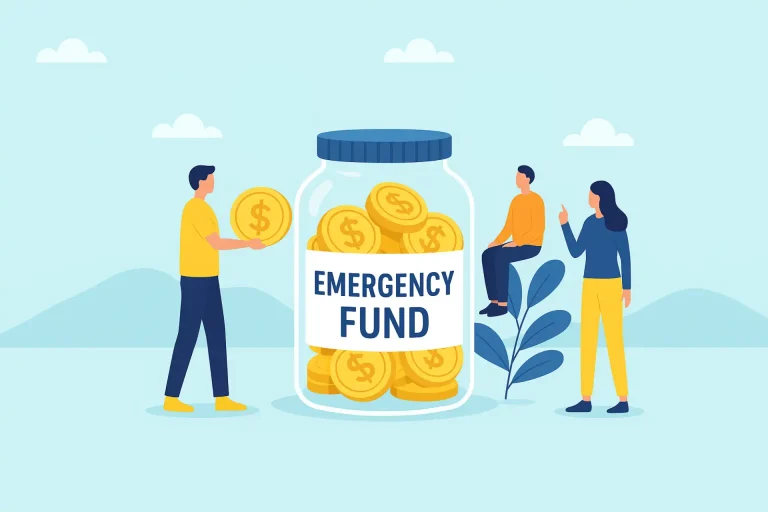
Financial experts often recommend building an emergency fund that covers three to six months of essential living costs. This safety net helps you manage unexpected expenses without disrupting your long-term financial goals.
Does my age or life stage affect how much I should save?
Absolutely. Your savings capacity and needs will shift over time. Young adults with fewer financial obligations might save more aggressively, while those with families or higher expenses may have to scale back temporarily. Adjust your savings strategy as your circumstances evolve.
What if my income is low and expenses are high?
Even in tight financial situations, saving something is better than nothing. Focus on establishing the habit, no matter how small the amount. At the same time, look for ways to cut unnecessary costs or increase your income to improve your ability to save in the long run.
What should I do immediately after college graduation?
After graduation, securing a steady job—even if it’s not in your exact field—can be a valuable first step. It allows you to start gaining experience, build your resume, and establish financial independence while exploring long-term career opportunities.