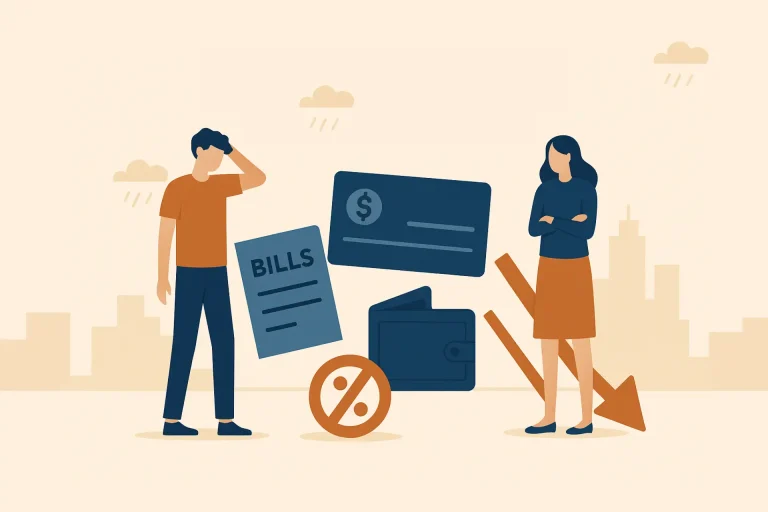


Life is full of unexpected twists — a sudden job loss, an unplanned medical bill, or a broken-down car can throw your finances off balance in an instant. That’s where an emergency fund comes in. Think of it as your personal financial cushion, designed to help you stay afloat without going into debt when life throws a curveball.
In this article, we’ll explore what an emergency fund is, how much you should save, where to keep it, and how to get started — all in a clear, approachable way. Whether you’re just beginning your financial journey or looking to improve your money management, this guide will walk you through the essentials of creating your own safety net.
What is an emergency fund?
An emergency fund is a personal financial buffer — money set aside specifically to handle unexpected events that can impact your budget or income. Rather than using credit cards or dipping into your long-term savings, this fund acts as a first line of defense when life takes an unexpected turn.
These emergencies could include:
- A sudden job loss or income reduction
- Urgent medical expenses
- Immediate home or car repairs
- Family-related emergencies that require travel or support
Unlike regular savings for vacations or planned purchases, an emergency fund is meant for situations you can’t predict but need to respond to quickly. It helps keep your finances steady without having to rely on debt or loans. With this safety net in place, you can make decisions with more clarity and less stress during tough times.
Why do i need an emergency fund?
Having an emergency fund isn’t just a financial strategy — it’s an act of protection for your well-being, stability, and future plans. Life is unpredictable, and without some form of backup, even a minor crisis can turn into a long-term financial setback.
Here are a few reasons why an emergency fund is essential:
✔ Protect your finances from sudden shocks: Whether it’s losing your job or facing an unexpected medical bill, this fund allows you to cover the cost without going into high-interest debt.
✔ Reduce stress and anxiety: Knowing you have money set aside provides peace of mind, helping you sleep better and feel more in control of your financial life.
✔ Stay out of debt: Without emergency savings, people often resort to borrowing — especially through credit cards or loans. This can create a cycle of debt that’s hard to escape. Your emergency fund helps you break that cycle before it starts.
✔ Maintain your health and lifestyle: Financial pressure can lead to postponing essential medical care or making difficult choices in a crisis. A safety fund gives you flexibility to prioritize your well-being.
✔ Protect long-term goals: Instead of pulling from your retirement savings or investments (which can lead to penalties or missed growth opportunities), an emergency fund helps you stay on track with your future plans.
In short, an emergency fund is a simple yet powerful way to protect yourself from financial instability. It gives you the space to navigate life’s surprises without compromising your goals, your health, or your peace of mind.
How much should you save?
When it comes to deciding how much to save in your emergency fund, there’s no perfect formula that fits everyone. The right amount depends on your lifestyle, expenses, and financial responsibilities.
That said, a practical way to think about it is by dividing emergencies into two categories:
Spending shocks (smaller, more frequent)
These are the surprise costs that pop up now and then — a flat tire, a dental emergency, or a leaking water heater. To handle these, a good starting point is to save around $2,000 or at least half of your monthly living expenses, whichever is higher.
This creates a basic cushion to cover those short-term surprises without disrupting your budget.
Income shocks (larger, less frequent)
These are less common but can seriously impact your finances — things like losing your job, facing a long-term illness, or going through a family crisis.
In situations like these, it’s smart to aim for three to six months’ worth of essential expenses.
Let’s say your monthly bills and necessities add up to $5,000:
- Saving for 3 months = $15,000
- Saving for 6 months = $30,000
The right amount for you may be more or less, depending on a few key factors:
Personal Factor | Why It Matters |
|---|---|
Dependents | Supporting children or family members means more expenses to cover |
Job security | A stable job may reduce how much you need saved |
Income stability | Freelancers or commission-based workers may need a larger cushion |
Insurance coverage | Good health, home, and auto insurance can reduce your financial risks |
Backup options | Having supportive family or access to credit may give you more flexibility |
By taking these factors into account, you can build an emergency fund that fits your life — not just a general guideline. The goal is to feel confident and prepared, no matter what comes your way.
Where should you keep your emergency fund?
The key is to keep your emergency fund accessible and secure, but also in a place where it can potentially earn some interest. Here are a few smart options:
Option | Liquidity | Risk Level | Notes |
|---|---|---|---|
Savings account | High | Very Low | Easy to access; some interest |
Money market mutual fund | High | Low | Not federally insured; more yield |
Certificates of Deposit (CDs) | Medium | Low | Use laddering to maintain access |
U.S. Treasury bills | Medium | Very Low | Government-backed; short maturity |
Brokerage/Roth IRA (for excess) | Low | Medium | Good for growth but less liquid |
Tip: Keep your core emergency fund in highly liquid accounts. If your savings grow beyond six months’ expenses, consider investing the extra to earn better returns.
How to start building your emergency fund
Getting started with your emergency fund might feel overwhelming, but with a few intentional steps, you can begin saving without stress or confusion.
The key is to take practical, consistent actions that fit your current lifestyle and financial situation. Here’s how to build your fund with confidence and clarity:
1. Define your savings goal
Before you start saving, think about how much you really need. A solid emergency fund typically covers at least three months of essential living costs — like rent, groceries, transportation, and utilities.
If your income is unpredictable or you support dependents, consider saving up to six months or more.
If that sounds like too much at first, don’t worry — set a smaller, achievable target such as $500 or $1,000 to cover a minor unexpected cost (like car repairs or a medical bill). Hitting early milestones can help you build momentum.
2. Review your finances and build a simple budget
Take a close look at your income and monthly expenses. Go through your bank statements to see where your money is going.
Break your expenses down into two categories:
- Essentials: rent, groceries, transportation, insurance
- Non-essentials: entertainment, dining out, subscriptions
Now figure out how much you can realistically put aside without putting other priorities at risk. Even small amounts, saved regularly, will make a difference over time.
3. Break your savings into smaller targets
Instead of focusing on the full amount you want to save, divide it into smaller, manageable chunks.
For instance:
- Saving $10 to $25 per week might not seem like much, but it adds up to $500–$1,300 a year.
- Setting monthly mini-goals makes progress feel more achievable and keeps you motivated.
Think of it as a step-by-step journey rather than a race.
4. Automate your savings for consistency
Set up an automatic transfer from your checking account into a separate savings account just for your emergency fund. You can do this weekly, biweekly, or monthly — whatever works best for you.
Automation removes the decision-making and reduces the temptation to skip saving or spend the money elsewhere.
5. Take advantage of extra income
Whenever you receive unexpected money — such as a tax refund, bonus, gift, or earnings from a side hustle — consider putting a portion (or all of it) into your emergency fund.
These financial boosts can speed up your savings progress without affecting your regular budget.
6. Choose the right place to store your fund
Your emergency fund needs to be easily accessible in case you need it quickly — but not so easy that you’re tempted to dip into it for everyday spending. Ideal places to keep it include:
- A high-yield savings account
- A money market account
- An FDIC-insured savings account at a different bank than your checking account
Avoid keeping your emergency money in risky investments or locked-in accounts that charge penalties for early withdrawal.
7. Set boundaries on when to use it
Clearly define what counts as a real emergency. This could include:
- Job loss
- Urgent medical treatment
- Unexpected car or home repairs
- Family emergencies that require travel
Avoid tapping into the fund for wants or non-urgent expenses — this will help ensure the money is there when you really need it.
You don’t have to build your entire emergency fund overnight. What matters most is making steady progress and building a healthy habit of saving.
By budgeting wisely, setting realistic goals, automating contributions, and storing your money in a secure and separate account, you’ll gradually create a financial buffer that offers peace of mind and long-term protection.
Conclusion
An emergency fund isn’t just a financial tool — it’s a form of self-care. It helps you avoid stress, stay in control, and maintain stability even during tough times. By saving gradually, keeping the money in the right place, and reviewing your needs regularly, you’ll be building a stronger, more resilient financial future.
And remember: the best time to start is now. Every small step brings you closer to peace of mind.
Frequently Asked Questions (FAQ)
Why is an emergency fund important?
An emergency fund provides a financial safety net during unexpected situations. It helps you avoid high-interest debt, protects your long-term savings, and offers peace of mind. Without it, a sudden expense could disrupt your financial stability and lead to lasting consequences.
How much money should I save in my emergency fund?
A good rule of thumb is to save between three to six months’ worth of living expenses. As a starting point, try to set aside at least half a month’s expenses or $2,000, depending on which amount is greater, to cushion against unforeseen costs.
When should I use my emergency fund?
Use your emergency fund when an expense is unexpected, urgent, and absolutely necessary. This includes situations that catch you off guard, require immediate action, and could significantly impact your well-being or financial health if not addressed quickly.
What is the role of the Vice President in the U.S. government?
The Vice President serves as the second-highest executive officer and is elected with the President. Their main constitutional duties include presiding over the Senate and stepping into the presidency if needed. Today, Vice Presidents often have broader roles such as advising the President, participating in diplomatic efforts, attending cabinet meetings, and contributing to national security decisions.