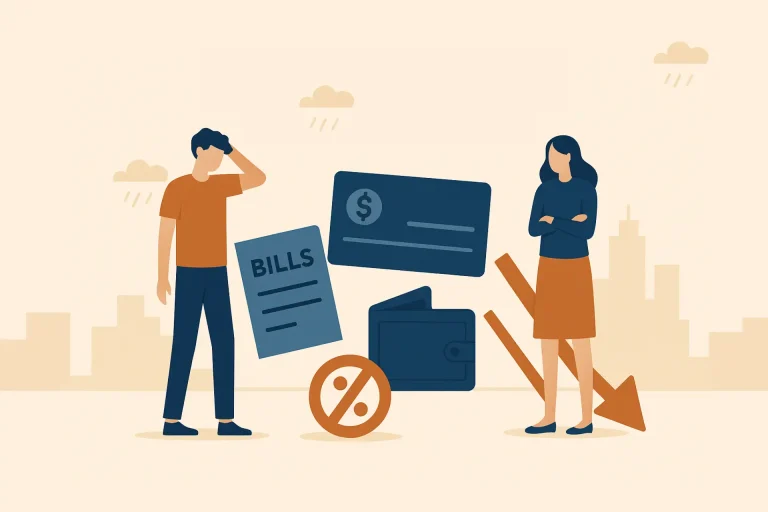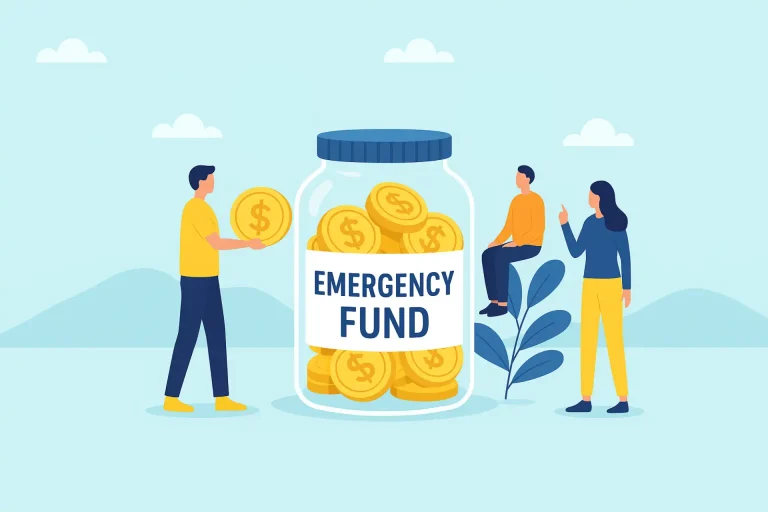


Life is full of surprises—some pleasant, others less so. Whether it’s a sudden car breakdown, an unexpected medical bill, or a job loss, financial surprises can quickly throw your life off balance. That’s where an emergency fund comes in. It’s more than just a savings account; it’s your financial safety net.
Having money set aside for emergencies gives you the peace of mind to face life’s uncertainties without panic, debt, or drastic lifestyle changes. In this article, we’ll walk you through the best ways to create an emergency fund, even if you’re starting from scratch. You’ll learn how much to save, where to keep the money, and how to grow it steadily and safely.
What is an emergency fund?
An emergency fund is a reserved amount of money set aside to cover unexpected expenses such as medical emergencies, job loss, urgent home repairs, or car issues. Think of it as a financial cushion that protects you when life throws a curveball.
Without one, you might have to rely on credit cards or loans, which can lead to debt and long-term financial strain.
A well-built emergency fund helps you stay in control when unexpected situations arise. It allows you to make decisions calmly and confidently, without adding financial stress to an already difficult situation.
The key is to make sure your emergency fund is easily accessible, separate from everyday spending money, and large enough to cover your basic needs for a period of time.
How much should you save in your emergency fund?
The right amount for your emergency fund depends on your personal circumstances, but there are some general guidelines:
Type of Expense | Description | Recommended Savings |
|---|---|---|
Spending shocks | Smaller, more frequent expenses like car repairs, medical co-pays, or emergency travel. | At least $2,000 or half a month’s expenses (whichever is greater). |
Income shocks | Larger, less frequent events like losing a job or a big drop in income. | 3 to 6 months of essential living expenses. |
To estimate your target amount, calculate your basic monthly expenses—such as rent or mortgage, utilities, food, transportation, and insurance—and multiply that by the number of months you want your fund to cover. For example, if you spend $3,000 per month, aim for $9,000 to $18,000.
Factors like job security, number of dependents, insurance coverage, and income stability should all be considered when deciding how much to save.
Best ways to create an emergency fund
Life has a way of throwing us curveballs—unexpected car repairs, surprise medical bills, or even a sudden job loss.
An emergency fund is your financial cushion, ready to catch you when life doesn’t go as planned. Here’s how to create and grow one, without feeling overwhelmed.
Start with clear, achievable goals
Don’t stress about saving a huge amount right away. Begin with a small target—like two weeks or one month of essential living expenses. Once you hit that, you’ll feel more confident and motivated to keep going.
- Calculate your monthly must-haves: rent, groceries, utilities, and transportation.
- Multiply that by the number of months you’d like your fund to cover—ideally 3 to 6 months.
- Set mini-goals to track your progress and celebrate small wins along the way.
Build a consistent saving habit
Regular saving beats occasional big deposits. Choose a rhythm that fits your lifestyle—weekly, biweekly, or monthly—and stick to it. Even $10 a week adds up.
- Choose a manageable amount that won’t disrupt your budget.
- Treat your savings like a fixed expense, just like rent or utilities.
- Track your milestones and reward yourself (responsibly) when you hit them.
Automate your savings
Automating your savings turns intention into action. It removes the temptation to spend and helps you stay consistent without the mental effort.
- Set up automatic transfers from checking to a separate savings account.
- If your employer allows, direct deposit a portion of your paycheck into your emergency fund.
- Consider using budgeting or banking apps that “round up” your purchases and save the spare change.
Choose the right place to store your fund
Your emergency fund should be easy to access in a crisis—but not too easy that you’re tempted to dip into it for everyday wants.
- Use a high-yield savings account or money market account.
- Make sure it’s FDIC-insured (or SIPC-covered if using a brokerage money market fund).
- Keep it separate from your regular spending accounts to avoid accidental use.
Increase contributions over time
As your income grows or your budget frees up, increase how much you save. These small adjustments can help your fund grow faster without feeling like a sacrifice.
- Add an extra 1–2% of your income to your savings goal each year.
- Cut back on subscriptions, dining out, or impulse buys and redirect that money to savings.
- Use cash windfalls—like bonuses, refunds, or birthday money—to supercharge your fund.
Replenish after you use it
Emergencies happen, and using your fund is part of the process. Once things stabilize, focus on refilling it so you’re prepared next time.
- Pause non-essential spending temporarily to refocus on rebuilding.
- Set a timeline and adjust your savings plan to get back on track.
- Reflect on what happened and adjust your fund size if needed.
Manage your budget to free up cash
A few small changes can unlock funds for your emergency savings without feeling like a major lifestyle downgrade.
- Track your spending for a month and spot areas to cut back.
- Skip daily takeout or unnecessary purchases and divert that money.
- Try a “no-spend” challenge for a weekend or a week to boost savings fast.
Creating an emergency fund isn’t about saving a fortune overnight—it’s about building security step by step. With the right habits, the right tools, and a little patience, you’ll be well on your way to financial peace of mind.
Conclusion
Creating an emergency fund is one of the most powerful steps you can take for your financial health. It’s not just about saving money—it’s about building stability, resilience, and peace of mind.
Whether you’re just starting out or looking to improve your financial safety net, these strategies can help you build a fund that fits your life and gives you confidence in the face of uncertainty. Start small, stay consistent, and watch your emergency fund grow. It’s one of the best gifts you can give your future self.
Frequently Asked Questions (FAQ)
What is an emergency fund?
An emergency fund is a savings account specifically set aside for unforeseen financial situations, such as sudden job loss, medical expenses, or urgent home repairs. It serves as a financial cushion to help you manage unexpected costs without jeopardizing your long-term financial plans or resorting to debt.
How much should I save in my emergency fund?
The typical advice is to save enough to cover three to six months’ worth of essential living expenses. However, this amount can vary depending on your job stability, family size, and other financial responsibilities. To determine this, calculate your monthly non-discretionary expenses (such as rent, utilities, food, insurance, and debt payments), then multiply by three to six months.
Should I pay off debt before building an emergency fund?
It’s generally a good idea to prioritize paying off high-interest debt, such as credit card balances, before putting significant efforts into building your emergency fund. By reducing high-interest debt, you’ll free up more money for saving in the long run, which can lower your overall financial stress.
When should I use my emergency fund?
You should only tap into your emergency fund for truly unexpected, necessary, and urgent expenses. Ask yourself:
- Is the expense unexpected?
- Is it necessary (e.g., medical bills or car repairs)?
- Is it urgent (e.g., something that can’t wait)?
If the answer is yes to all of these, then it’s appropriate to use your emergency fund. Otherwise, it’s best to avoid using it for non-emergencies, such as vacations or impulse purchases.
What type of account should I use for my emergency fund?
A savings account is ideal for an emergency fund, as it earns interest and keeps the funds separate from your day-to-day spending. This not only helps prevent accidental spending but also allows the emergency fund to grow while remaining easily accessible when needed.